Male biological clock: How age impacts sperm quality beyond count and motility!

Male biological clock: How age impacts sperm quality beyond count and motility
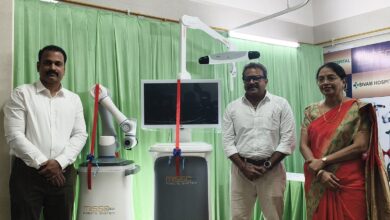
Salem : Dr. S. Vanitha Devi, Fertility Specialist, Birla Fertility & IVF, Salem, says that while sperm count, motility and morphology are important, they do not provide the complete picture of male fertility. Sperm production depends on a complex biological process involving hormones, DNA packaging and cellular protection, all of which can be affected by ageing, oxidative stress, inflammation and lifestyle-related health conditions.
A routine semen analysis may appear normal, yet sperm can still carry hidden DNA damage. Conditions such as sperm DNA fragmentation, chromatin packaging defects and changes in DNA methylation patterns are not visible in standard reports but may contribute to delayed conception, poor embryo development or repeated pregnancy loss. Therefore, paternal age becomes an important factor when fertility challenges arise, even if semen parameters seem acceptable.
The good news is that sperm health can often be improved. Since sperm development takes about three months, measures such as controlling diabetes, maintaining a healthy weight, quitting tobacco, treating infections, correcting hormonal imbalances and managing varicocele can support reproductive health. According to Dr. Vanitha Devi, the male biological clock is not a deadline, but a reminder that sperm quality changes with age and overall health.